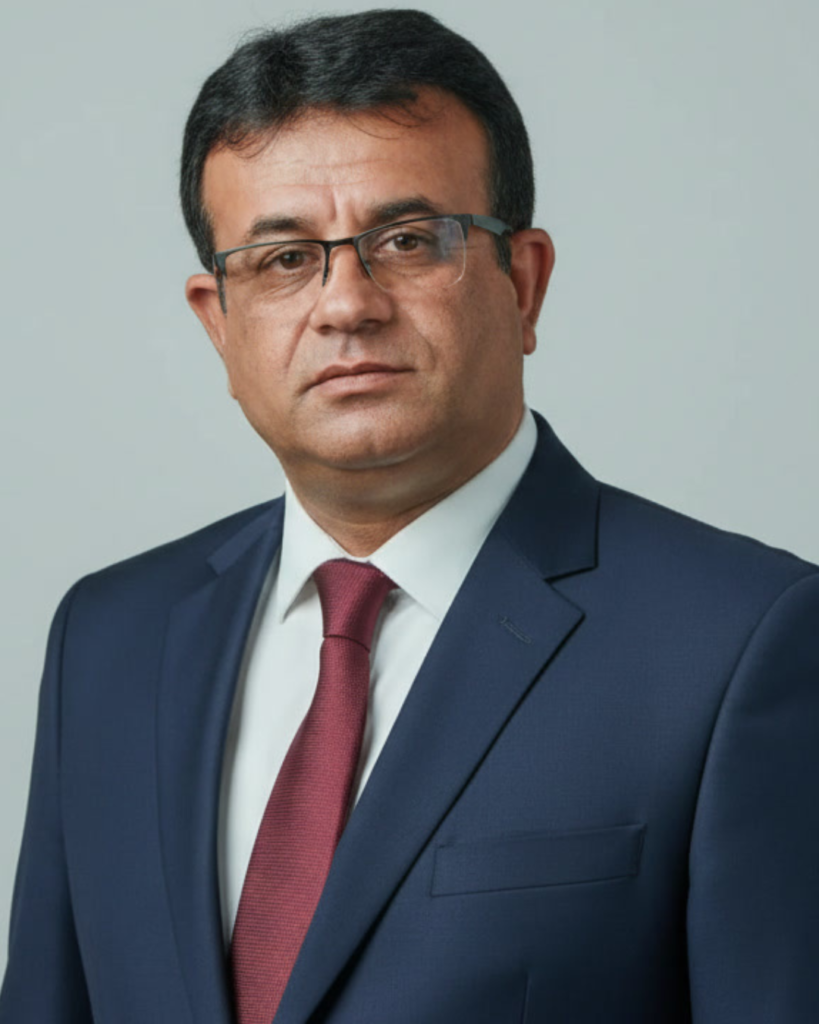

Dr. Naseem Baloch, Chairman of the Baloch National Movement (BNM), represents a strand of political activism shaped by both personal experience and sustained advocacy. His life reflects a combination of enforced disappearance, alleged torture, continued political mobilisation, and efforts to bring global attention to human rights concerns in Balochistan.
A Political Activist Marked by Repeated Disappearances
Dr. Naseem Baloch was forcibly disappeared twice—first in 2005 and again in 2010. These incidents are documented in testimonies and accounts by activists, placing him among a broader group of Baloch political workers, many linked to the Baloch Students Organization (BSO), who have reported similar experiences.
In March 2005, security personnel reportedly raided a residence in Karachi and detained him along with several BSO leaders. According to his account, they were blindfolded, beaten, and transferred to undisclosed detention facilities.
He describes conditions including:
Prolonged sleep deprivation
Physical beatings and stress positions
Sensory deprivation and constant exposure to intense light
Burns and restricted access to basic needs
After weeks of detention in Karachi, he was reportedly transferred to Quetta, where similar methods were allegedly used. He was later handed over to police and released in what he and others described as fabricated cases.
Psychological Aftermath
Following his release, Dr. Baloch experienced severe psychological trauma, later identified as post-traumatic stress disorder (PTSD). His symptoms included panic attacks, recurring flashbacks, heightened fear responses, and sleep disturbances. His decision to study psychiatry was partly influenced by a desire to understand and manage these effects.
Second Abduction in 2010
On May 25, 2010, he was again detained in Quetta. According to his testimony, he was taken by Frontier Corps personnel, blindfolded, and transferred between locations.
He recounts:
Repeated beatings and suspension
Electric shocks during interrogation
Continuous questioning under coercion
Exposure to the torture of other detainees, including relatives
Interrogations focused on alleged links between political organisations and militancy. He maintains that punishment was administered regardless of responses.
After several weeks, he was released under conditions that, according to his account, discouraged public disclosure.
Commitment to Peaceful Political Struggle
A defining aspect of Dr. Naseem Baloch’s political approach is his commitment to peaceful struggle. Despite enduring severe personal hardship, he has consistently rejected violence and instead pursued political and democratic means of advocacy.
As leader of the Baloch National Movement, he has:
Promoted political awareness and civic engagement
Mobilised students, activists, and diaspora communities
Encouraged peaceful protests, dialogue, and organised political activity
Centered human rights in the movement’s agenda
His strategy has been to frame the Baloch issue in political, legal, and ethical terms rather than through armed confrontation.
Global Advocacy and International Attention
Dr. Baloch has played a key role in bringing international attention to Balochistan. Through engagement with global forums, human rights organisations, and diaspora networks, he has highlighted:
Enforced disappearances
Extrajudicial actions
Restrictions on civil liberties
His efforts have contributed to increased discussion of Balochistan in international policy and human rights circles.
Exile and Continued Activism
Due to security concerns, Dr. Naseem Baloch later relocated to France, where he lives as a political refugee. From abroad, he continues to lead political efforts, coordinate advocacy campaigns, and maintain international engagement on the issue.
UK Parliamentary Motion and Family Targeting Concerns
In February 2026, a motion tabled in the UK House of Commons raised concerns about the reported enforced disappearance of his father, Mohammad Bakhsh Sajidi, and two close relatives.
The motion highlighted:
Their alleged abduction from their home in Hub Chowki
The absence of warrants or formal charges
Ongoing uncertainty about their whereabouts
Concerns about statements suggesting relatives of suspects could be held accountable
It called on the Government of Pakistan to disclose their whereabouts, ensure their safety, provide legal access, and release them if no lawful charges exist. It also urged the UK Government to raise the issue diplomatically.
Narrative Contestation and Propaganda Claims
Dr. Baloch and his supporters have also alleged that efforts have been made to discredit him through misinformation campaigns. These claims exist within a broader environment of competing narratives surrounding Balochistan, where state institutions, activists, and observers often present differing accounts.
Conclusion
Dr. Naseem Baloch’s story reflects the intersection of personal suffering and political persistence. His experiences of enforced disappearance and alleged torture, combined with his continued commitment to peaceful political activism, have made him a significant figure in ongoing human rights discussions.
The internationalisation of his case, particularly through parliamentary attention abroad, signals growing global concern regarding Balochistan. At the same time, the complexity of competing claims highlights the need for transparent investigation, credible documentation, and adherence to international human rights standards.