

A Prohibited Practice With Deep Historical Roots
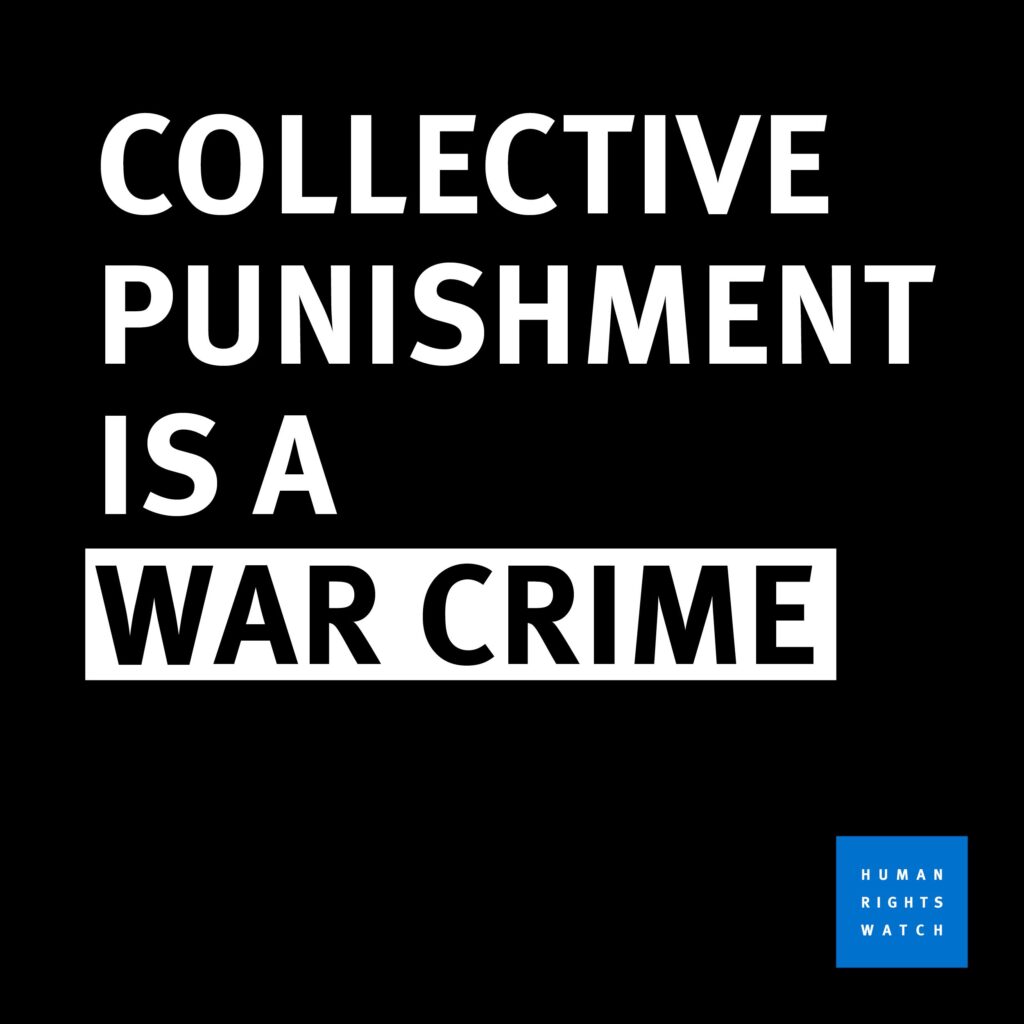
The concept of collective punishment—penalizing a group for the actions of an individual—has existed for centuries, from the reprisals of the Roman Empire to coercive policies under European colonial administrations. These practices were historically justified as tools of deterrence, often targeting entire communities to suppress dissent.
In the modern era, however, collective punishment is unequivocally prohibited under international law. Following the atrocities of the World War II, legal frameworks such as the Fourth Geneva Convention established that individuals cannot be punished for acts they did not personally commit. This principle remains a cornerstone of international humanitarian law and is reinforced by organizations like United Nations and Amnesty International.
Rising Concerns in Balochistan
In recent years, human rights organizations have raised alarms over alleged practices in Balochistan, the largest province of Pakistan. The region has long experienced political unrest, with tensions between state authorities and Baloch nationalist groups.
Groups such as Human Rights Commission of Pakistan and Front Line Defenders report patterns in which families of activists and suspected dissidents are allegedly subjected to enforced disappearances, intimidation, and coercion.
Critics argue that these measures amount to collective punishment, as individuals are targeted not for their own actions, but for their familial or social connections.
Case Spotlight: Fouzia Baloch
One of the most prominent recent cases involves Fouzia Baloch, an activist associated with the Baloch Yakjehti Committee.
In April 2026, her brother was reportedly abducted for a second time. According to Front Line Defenders, the incident appears to be linked to her continued activism, particularly her criticism of enforced disappearances in Balochistan.
Observers say the case reflects a broader pattern in which relatives of outspoken activists are targeted as a means of exerting pressure. The repeated detention of a family member has intensified concerns about the use of indirect coercion to silence dissent.
Case Spotlight: Dr. Naseem Baloch
Another high-profile case centers on Dr. Naseem Baloch, chairman of the Baloch National Movement.
Earlier in 2026, multiple members of his family, including his father, were reportedly taken into custody under unclear circumstances. Advocacy groups allege that these actions were not based on individual charges but were intended to pressure the political leader.
Organizations including Human Rights Watch have long documented similar patterns globally, warning that targeting family members of political figures undermines fundamental legal protections.
Forced Disownment and Social Pressure
In addition to enforced disappearances, reports have emerged of families being compelled to formally disown relatives accused of militancy. Such measures allegedly require families to submit affidavits severing ties, with potential legal or economic consequences for non-compliance.
Human rights organizations, including Amnesty International, argue that these practices effectively institutionalize collective punishment. Beyond legal concerns, they also impose severe social costs, fracturing family structures and forcing public denunciations under duress.
Legal and Ethical Implications
If verified, these alleged practices would violate key international norms upheld by bodies such as the United Nations Human Rights Council. These include protections against arbitrary detention, enforced disappearance, and collective punishment.
Legal experts emphasize that the principle of individual criminal responsibility is fundamental to the rule of law. Any deviation risks eroding trust in legal institutions and exacerbating conflict.
Ongoing Scrutiny
Authorities in Pakistan have not consistently addressed these allegations, and independent verification remains difficult due to restricted access in parts of Balochistan.
Nevertheless, the growing number of reported cases has intensified international scrutiny. Organizations such as Front Line Defenders and Human Rights Commission of Pakistan continue to call for transparency, accountability, and adherence to international legal standards.
Conclusion
The allegations emerging from Balochistan highlight a critical tension between security measures and human rights obligations. While states often cite national security concerns, the prohibition on collective punishment remains absolute under international law.
As cases involving Fouzia Baloch and Dr. Naseem Baloch continue to draw attention, the broader question persists: whether the principle of individual accountability is being upheld—or undermined—in one of the region’s most contested areas.